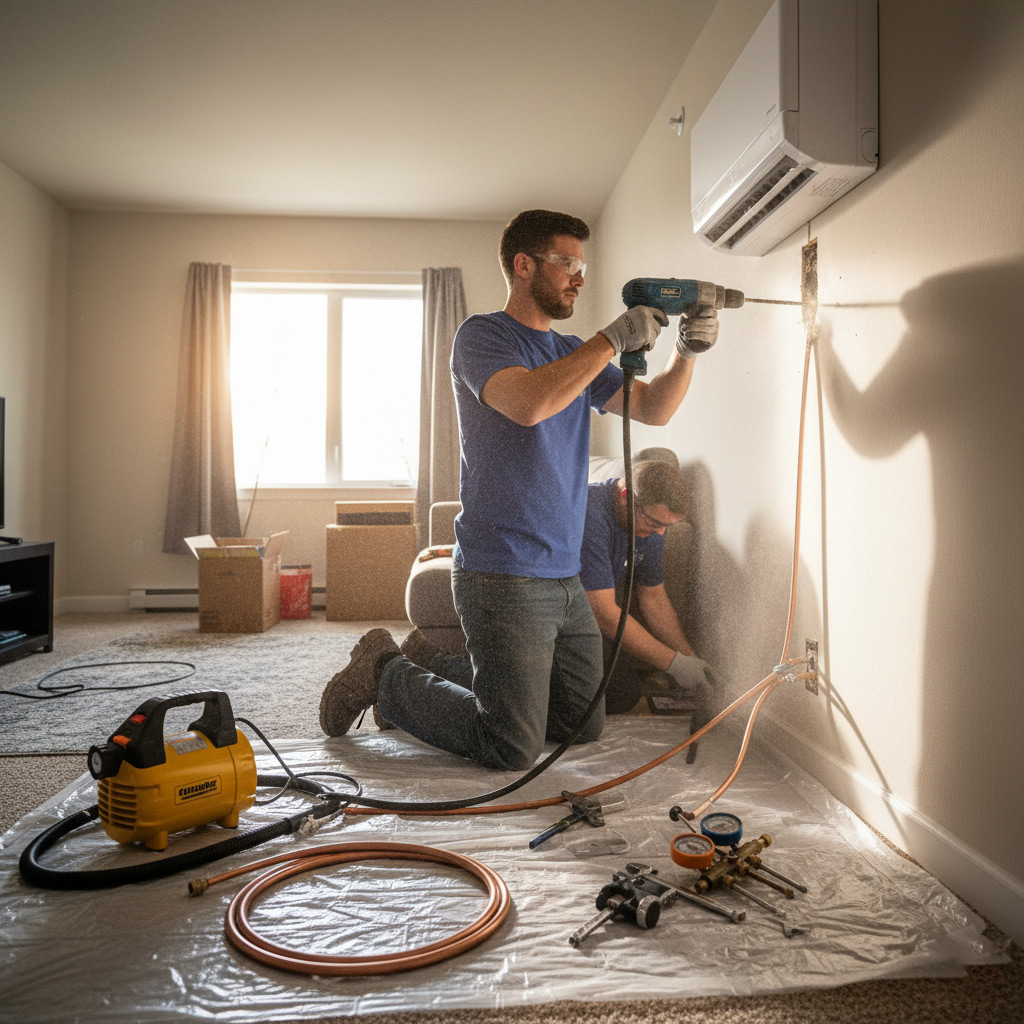
Imagine stepping into your home and feeling a rush of fresh, clean air the moment you walk through the door. That’s the feeling Jersey City families get after a professional HVAC test and inspection.
Local technicians know every nook of our high‑rise apartments and historic brownstones, so they spot problems that generic services miss. A thorough inspection not only catches hidden leaks and worn‑out parts, it also guarantees your system runs safely and reliably all winter long.
If you’re curious why neighbors keep calling us the go‑to for peace of mind, keep reading.
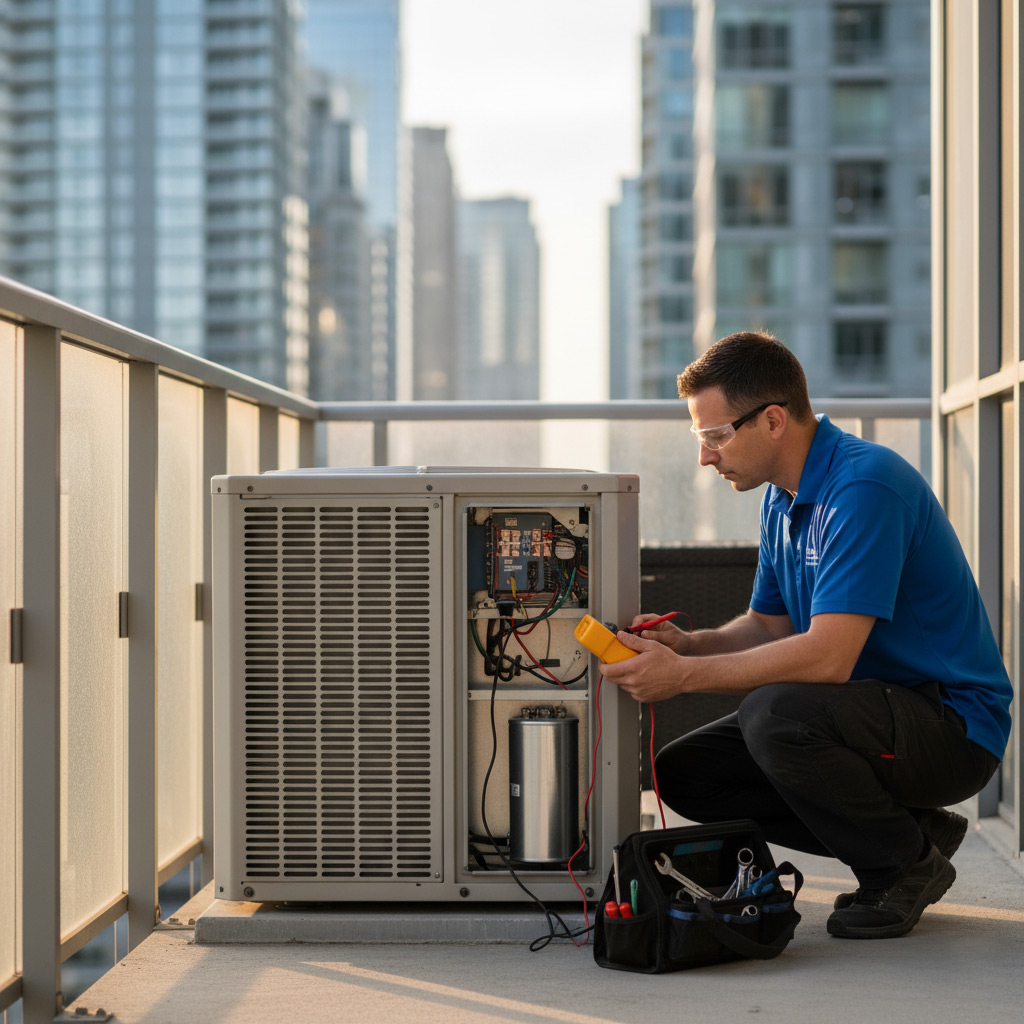
Why Regular HVAC Testing & Inspection Is Essential for Jersey City Homes
Jersey City’s weather flips from sweltering summer heat to bone‑chilling winter in a heartbeat. When your furnace or air‑conditioner isn’t running at peak, you feel every degree. A routine inspection catches the tiny glitches before they turn into full‑blown failures that leave you shivering or sweating.
Beyond comfort, a clean, well‑tuned system saves you cash. Replacing a clogged filter or tightening a loose belt costs pennies, but prevents a $1,000 repair bill later. Plus, a properly inspected unit runs smoother, which means lower utility numbers month after month.
Key Benefits of a Scheduled Check‑Up
- Safety first – Detect carbon‑monoxide leaks, gas line issues, and electrical hazards before they become life‑threatening.
- Performance boost – Clean coils, calibrated thermostats, and balanced airflow keep the system humming.
- Extended lifespan – Replace worn parts early, and you’ll get years of reliable service out of the same equipment.
- Energy savings – A system that isn’t fighting itself uses far less power, translating to lower bills.
How Jersey City’s Climate and Building Types Influence HVAC Performance
Seasonal Extremes
Jersey City sits between the Atlantic’s salty breezes and the Hudson’s chill, so you get hot, humid summers and bone‑cold winters in the same year. That swing taxes every furnace, air‑conditioner, and heat pump. When the temperature spikes, the system works harder, and when the freeze hits, any weak link shows up fast.
- High humidity → coils corrode faster.
- Frequent temperature swings → compressors overheat.
- Coastal winds → outdoor units get sand and salt buildup.
Building Types: High‑Rises vs. Historic Brownstones
Modern high‑rise towers often have centralized HVAC with long duct runs, while 19th‑century brownstones hide original plaster walls and narrow stairwells. Those differences dictate airflow, pressure, and how quickly a system can recover from a cold snap.
- High‑rise: shared rooftops, limited roof space for units.
- Brownstone: cramped crawl spaces, older insulation.
- Both: older wiring can’t always handle today’s smart thermostats.
Why Those Factors Matter for Inspections
Because the climate pushes equipment to its limits and the building’s quirks hide problems, a routine inspection isn’t a luxury—it’s a necessity. Technicians look for moisture‑related corrosion, duct leaks caused by tight corners, and mismatched refrigerant levels that can’t survive the seasonal roller coaster.
- Detect hidden leaks before they become costly water damage.
- Verify that ductwork is sealed against the city’s drafty corridors.
- Confirm that thermostats are calibrated for both heat and cooling peaks.
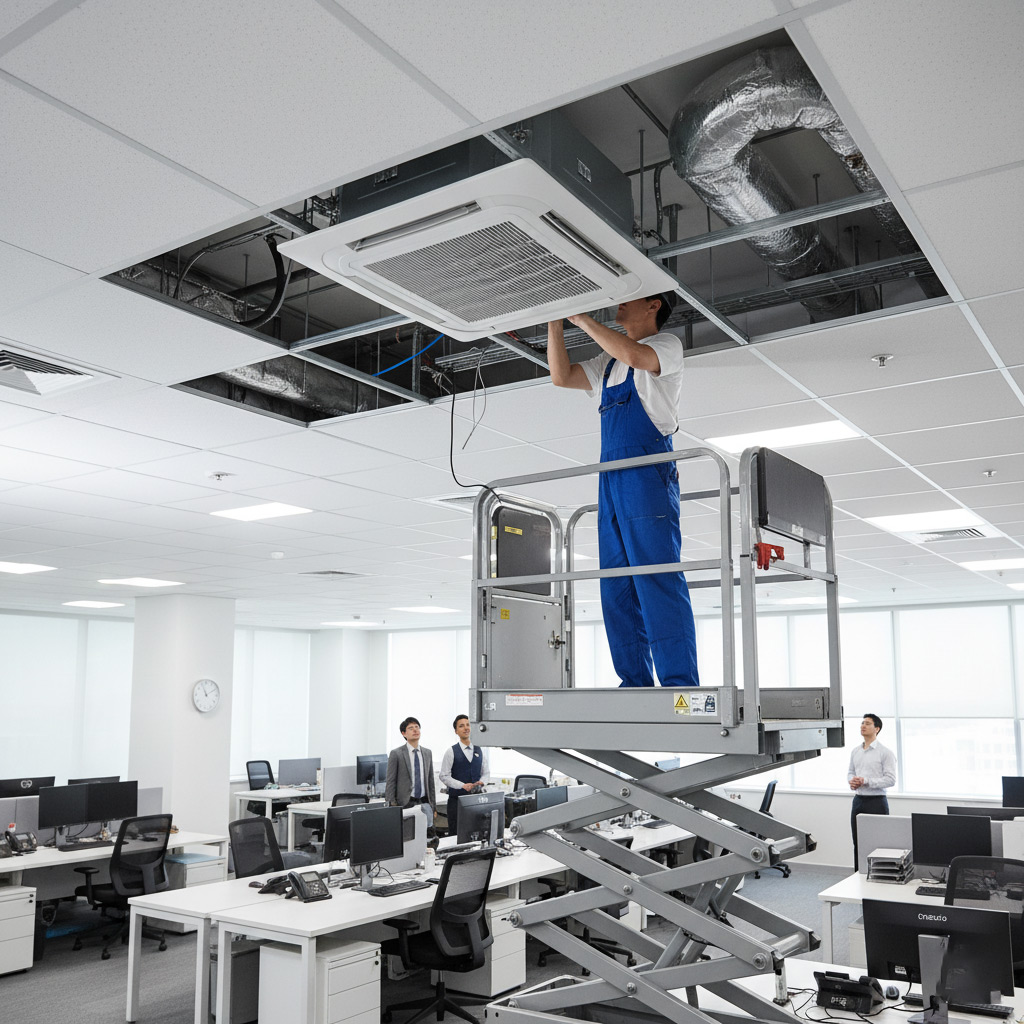
Core Elements of a Professional HVAC Inspection: What Technicians Examine
When a Jersey City tech steps onto your property, they start with a visual sweep that’s more than a quick glance. They’re hunting for signs of wear, corrosion, or anything that looks out of place—because the smallest crack can become a big headache later. Every component gets a once‑over, from the thermostat to the outdoor coil.
Key Systems Checked
Technicians break the job down into bite‑size sections, so nothing slips through the cracks.
- Thermostat calibration – Is it reading true? A mis‑set thermostat can waste energy.
- Air filter condition – A clogged filter chokes airflow and forces the blower to work harder.
- Refrigerant levels – Too low or too high, and the system can overheat or freeze up.
- Electrical connections – Tight, clean, and free of corrosion to prevent shorts.
Safety & Performance Checks
Beyond the basics, the pros dig into the safety gear that keeps your family breathing easy.
- Carbon monoxide detector test – Ensures it’s screaming loud enough if gases appear.
- Burner inspection – Looks for cracks, rust, or uneven flame patterns.
- Ventilation pathways – Confirms that exhaust gases are exiting, not lingering.
- Blower motor health – Checks bearings, belt tension, and overall noise level.
Typical Problems Discovered in Local High‑Rise Apartments and Historic Brownstones
High‑Rise Apartments
In a tower of steel and glass, the HVAC system often suffers from uneven airflow caused by cramped ductwork and shared vents. Technicians also spot over‑taxed compressors that have been running nonstop to keep dozens of units comfortable.
- Leaky duct seams that waste conditioned air.
- Improperly balanced pressure leading to cold spots on lower floors.
- Corroded condensate lines that trigger water damage alarms.
Historic Brownstones
These beauties were built before modern HVAC was even a thought, so you’ll find a lot of retro‑fit challenges. Old brick walls hide insulation gaps, and original plaster can trap moisture, turning the furnace into a ticking time bomb.
- Undersized units that can’t handle the square footage.
- Obsolete gas lines that pose safety risks.
- Air filters clogged with dust from centuries of settlement.
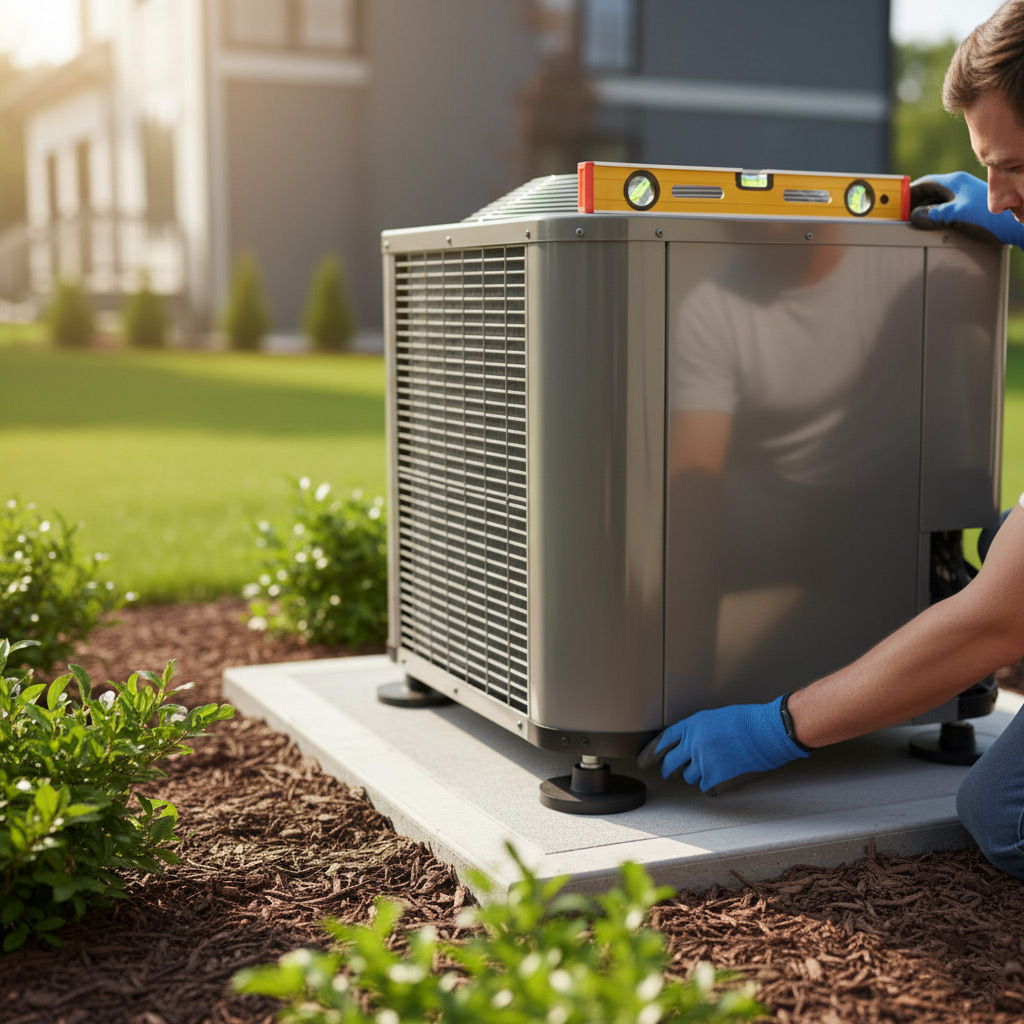
Energy Savings, Safety, and Longevity: The Tangible Benefits of Routine Inspections
Slash Your Bills
When a technician tightens a loose coil or replaces a clogged filter, the system stops working overtime. That small tweak can shave 10‑15% off your monthly electric bill, and the savings add up fast in a city where heating runs for months.
- Clean coils = better heat exchange → less fuel needed.
- Optimized airflow = lower fan motor load.
- Calibrated thermostat = no wasted cycles.
Peace of Mind
Every inspection includes a safety sweep that looks for carbon monoxide leaks, electrical shorts, and worn‑out gas connections. Finding a problem before it becomes a hazard means you and your family stay safe, and you avoid costly emergency repairs.
- CO detector verification.
- Electrical grounding checks.
- Gas line pressure testing.
Extend System Life
A well‑maintained HVAC unit can outlast its warranty by years, delivering reliable comfort season after season. Regular lubrication, belt tension adjustments, and firmware updates keep wear and tear at bay, so you’re not forced into a premature replacement.
- Lubricated moving parts = reduced friction.
- Proper belt tension = smoother operation.
- Software updates = smarter control.
Case Study: Revitalizing a Historic Brownstone’s HVAC System – From Diagnosis to Full‑Season Comfort
When the owners of a 180‑year‑old brownstone called us, they were battling uneven heat, a musty smell, and a utility bill that made their eyes water. The building’s original furnace was a relic, and the ductwork had been patched together over decades. Our goal: turn that aging system into a reliable, quiet partner for every season.
Diagnosis Phase
- Airflow audit: Measured pressure drops in each room; three zones were starved of fresh air.
- Thermostat calibration: The old analog unit was off by up to 8 °F, causing the furnace to over‑run.
- Leak detection: Found a cracked copper line behind the kitchen wall, leaking refrigerant into the attic.
- Insulation check: Ducts ran through uninsulated crawl spaces, losing heat like a sieve.
Solution & Results
- Replaced the vintage furnace with a high‑efficiency, variable‑speed model sized for the brownstone’s square footage.
- Installed sealed, insulated ductwork that respects the building’s historic character.
- Added smart thermostats on each floor, giving the owners precise control and remote access.
- Performed a refrigerant recharge and sealed the leak, eliminating the musty odor.
Three weeks later the family reported even temperatures from the basement to the attic, a 30 % drop in energy costs, and a quiet system that let them sleep through winter storms. The brownstone now enjoys modern comfort without sacrificing its historic charm.
Final Words
Ready to lock in that fresh‑air feeling? Book a certified inspection today and let a local pro pinpoint the exact tweaks your system needs before the next season hits.
Quick actions you can take right now
- Check your thermostat settings – a 2‑degree shift can shave 5‑10% off your bill.
- Locate the service panel and ensure it’s free of dust and debris.
- Schedule a comprehensive check‑up through our HVAC Testing & Inspection services to catch hidden issues.
Remember, a well‑tuned HVAC system isn’t a luxury; it’s a safeguard for your family’s comfort and safety. Take the first step now and experience the peace of mind that Jersey City residents already trust.
People Also Ask
How often should Jersey City homeowners schedule HVAC testing and inspection?
A professional inspection is recommended at least once a year, ideally before the heating or cooling season begins. This timing ensures the system is optimized for the extreme temperature swings common in Jersey City.What specific climate factors in Jersey City affect HVAC performance?
Jersey City experiences hot, humid summers and cold, windy winters, which place extra strain on both cooling and heating components. Coastal humidity can also lead to corrosion and reduced efficiency if the system isn’t regularly checked.Why do historic brownstones require special HVAC inspection procedures?
Older brownstones often have original ductwork, limited clearance, and unique architectural constraints that can hide leaks or airflow issues. A thorough inspection identifies these hidden problems and recommends solutions that preserve the building’s character.Can regular HVAC inspections lower my energy bills?
Yes. By catching issues like dirty filters, refrigerant leaks, or malfunctioning thermostats early, inspections help the system run more efficiently, which directly translates to lower utility costs.What safety hazards are prevented by routine HVAC testing?
Routine inspections detect carbon monoxide leaks, electrical faults, and fire‑hazardous debris before they become dangerous. Addressing these risks protects both the occupants and the property from potentially severe incidents.
Jersey City HVAC brings over a decade of certified expertise to homes and businesses throughout Jersey City, NJ. Their team of licensed technicians delivers tailored heating, cooling, and ventilation solutions with a focus on energy efficiency and local compliance. Committed to responsive service, they prioritize the comfort and safety of the community they serve.
Need HVAC?
We deliver fast, reliable solutions for residents and businesses in Jersey City (07302, 07304, 07305, 07306, 07307) and nearby neighborhoods. Our rapid response ensures you get results when you need them.
Request a fast quote