Picture this: your furnace decides to throw a tantrum in the middle of a Jersey City snowstorm, while the AC refuses to kick on when the summer heat hits 90 degrees. That kind of drama isn’t just annoying—it can drain your wallet faster than a leaky pipe.
Living in the Garden State’s most densely packed city means your HVAC system works overtime, battling salty air, humidity swings, and the occasional power hiccup. Skipping a simple check‑up is like leaving your car’s oil untouched for months; sooner or later something’s going to break.
What if you could walk through a step‑by‑step checklist that keeps your system humming, saves you cash, and stops surprise breakdowns before they happen? Grab a coffee, keep scrolling, and you’ll have the exact game plan you need to stay comfortable all year long.
Seasonal Inspection Schedule: What to Check Before Winter, Spring, Summer, and Fall
Every HVAC system in Jersey City needs a game plan that matches the city’s roller‑coaster weather. Skipping a seasonal walk‑through is the fastest way to invite costly repairs, especially when salty breezes and power spikes love to sneak in. Follow this checklist and you’ll keep the heat on in December and the cool in July without a hitch.
Winter & Spring
Before the first snow hits, and again when the thaw begins, run through these quick tests:
- Furnace burners – look for soot, clean the pilot, and confirm the flame is steady.
- Thermostat calibration – make sure it reads true temperature; a mis‑read can waste fuel.
- Inspect the heat exchanger for cracks; a tiny fissure can turn a cozy night into a safety nightmare.
- Check the condensate drain for clogs; spring rains love to back up a dirty line.
- Swap out furnace filters; a clean filter means smoother airflow and lower bills.
Summer & Fall
When the mercury climbs and then starts to dip, give your AC and ventilation a once‑over:
- Clean the evaporator coil – dust and pollen choke cooling power.
- Verify the refrigerant charge; low levels make the unit work harder and spike electricity use.
- Test the blower motor for odd noises; a failing motor can cause uneven airflow.
- Seal any visible duct leaks; even a small crack can waste up to 30% of conditioned air.
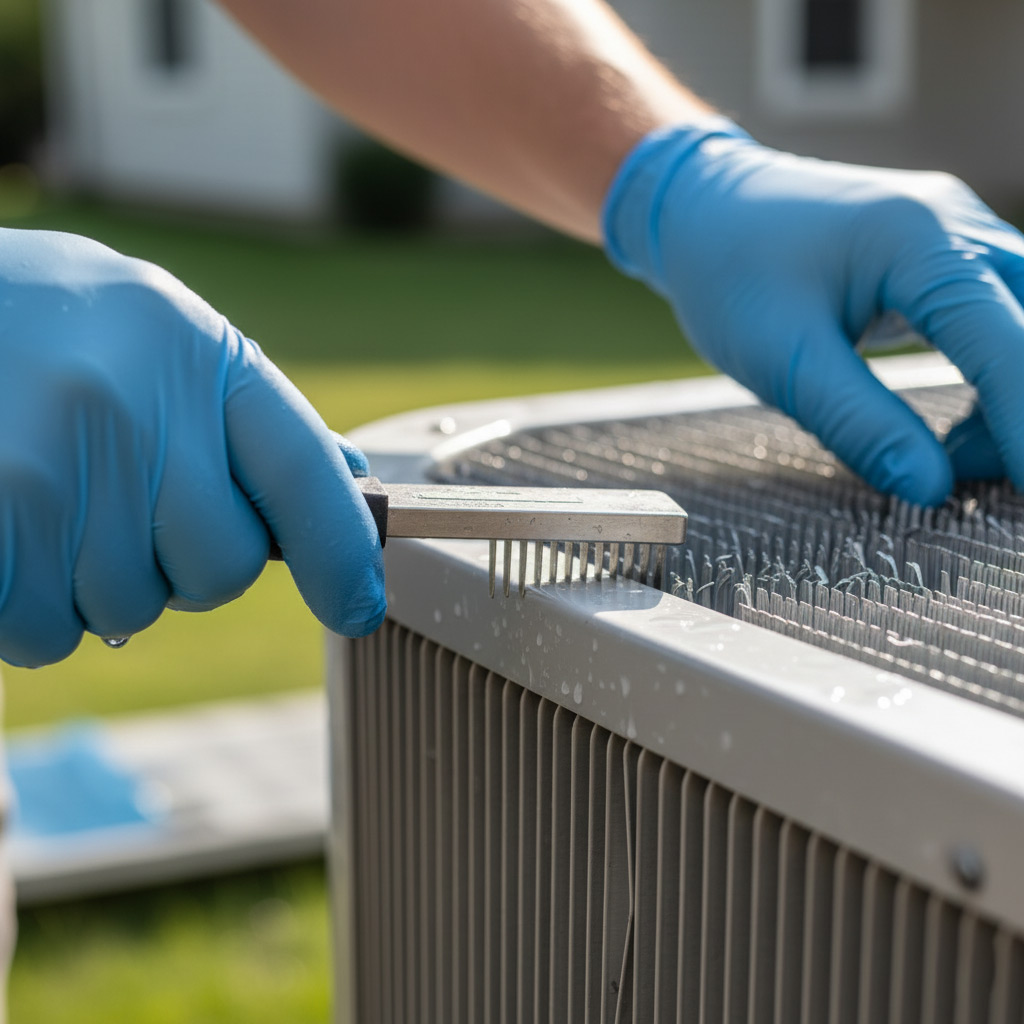
- Inspect the outdoor unit for debris, and rinse the fins to keep airflow unrestricted.
DIY Pre‑Maintenance Tasks: Cleaning, Filter Replacement, and Basic Troubleshooting
Before you call a pro, you can knock out the low‑hang jobs that keep your system breathing easy. A quick sweep of the basics saves money and prevents the “uh‑oh” moments when the weather turns.
Cleaning the Coils and Vents
Dust loves to settle on the evaporator and condenser coils. Grab a soft brush, wipe gently, and watch the airflow improve.
- Turn off power at the breaker – safety first.
- Remove the access panel; use a vacuum with a brush attachment.
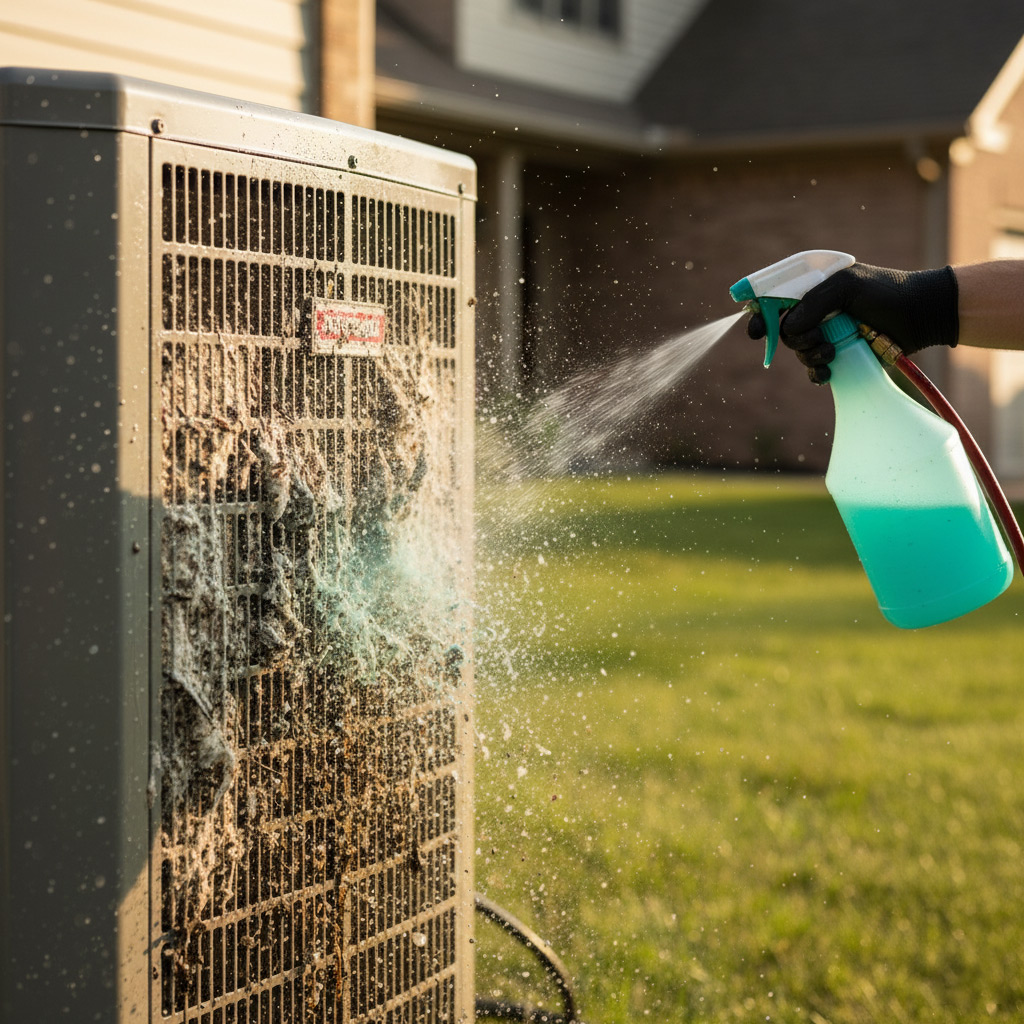
- Spray a coil cleaner, let it foam, then rinse with a garden hose on low pressure.
Don’t forget the supply and return vents. A damp cloth clears the grime, and a vacuum clears the dust bunnies that choke the system.
Filter Replacement – The 30‑Second Miracle
Filters are the unsung heroes of indoor air quality. Swap them out every 1‑3 months, depending on usage and pets.
- Locate the filter – usually behind the return grille or inside the furnace.
- Slide the old one out; note the size printed on the frame.
- Insert a new MERV‑8 or higher filter; make sure it faces the correct airflow direction.
When you hear that whoosh of clean air, you’ll know you did something right.
Basic Troubleshooting – When the System Won’t Cooperate
First, check the thermostat. Is it set to “heat” or “cool”? Is the battery fresh?
If the unit won’t start, look at the circuit breaker. A tripped breaker is the most common culprit.
- Listen for the fan motor humming – if it’s silent, the capacitor may be dead.
- Feel the ducts; warm air on one side and cold on the other? You might have a blocked damper.
- Reset the system by turning it off for 30 seconds, then power it back up.
These quick fixes often solve the problem without a technician’s visit. If the issue persists, it’s time to bring in the pros.
Professional Service Checklist: What Technicians Look for in Jersey City HVAC Systems
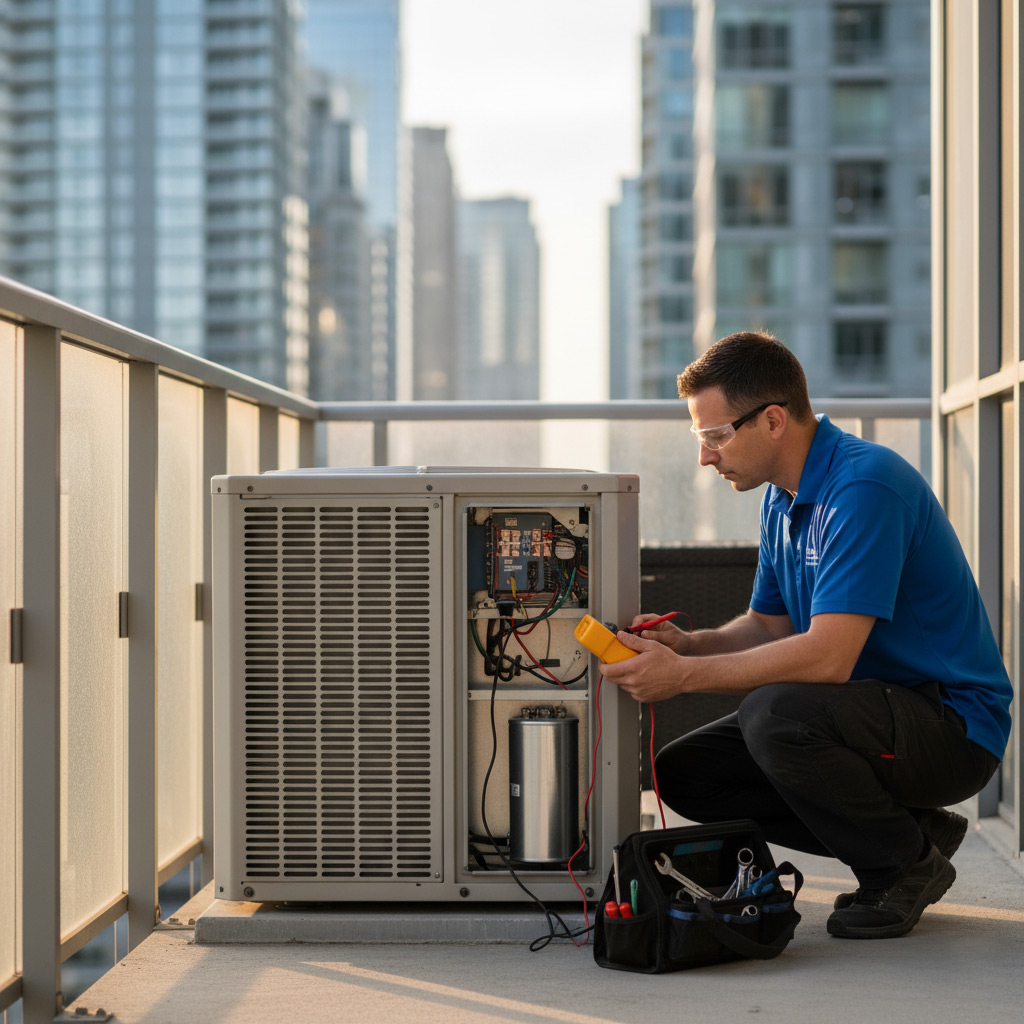
When a pro steps onto your rooftop or slides into your basement, they’re not just hunting for a broken fan. They’re hunting for anything that could turn a mild inconvenience into a full‑blown outage during a snowstorm or a heat wave.
Core Components Checked
Technicians run through a tight list, and they don’t waste time on fluff. Here’s what they zero in on:
- Thermostat calibration – Is it reading true? A mis‑read can jack up your bill.
- Burner assembly – Clean, aligned, and free of corrosion.
- Refrigerant charge – Too low and the AC will gasp; too high and the compressor gets stressed.
- Electrical connections – Tight, corrosion‑free, and properly grounded.
- Airflow measurement – CFM numbers that match the unit’s specs.
Hidden Issues Jersey City Residents Forget
Salt‑laden sea breezes and power spikes love to hide in the corners. Pros know to sniff them out before they bite.
- Corroded coil fins – Salt can eat metal fast; a quick brush can save a season.
- Condensate drain clogs – Humidity swings turn slime into a blockage.
- Voltage fluctuations – Surge protectors and capacitor health are checked.
- Insulation gaps around ductwork – Even a small leak can cost you big bucks.
Tackling Jersey City‑Specific Challenges: Salt Air, Humidity Swings, and Power Fluctuations
Salt Air Corrosion
Living just across the Hudson means salty breezes love to settle on metal components, turning them into rust magnets. Inspect coils, heat exchangers, and outdoor units every spring for white‑powdery deposits or pitting.
- Rinse coils with a garden hose and a gentle, non‑acidic cleaner.
- Apply a corrosion‑inhibiting spray to exposed fasteners.
- Schedule a professional “salt‑wash” before the humid summer months.
Humidity Swings
Jersey City’s climate flips from muggy summer nights to bone‑dry winter mornings, and that roller‑coaster stresses both the furnace and the AC. Keep a hygrometer handy and aim for 30‑50% indoor humidity.
- Swap out a standard filter for a electrostatic or HEPA model to trap moisture‑laden particles.
- Install a whole‑house dehumidifier if your basement stays damp.
- Check the condensate drain line quarterly; a clog can cause water‑back up and mold.
Power Fluctuations
Frequent outages and voltage spikes are part of the Jersey City grid’s personality, and they love to fry sensitive electronics. Protect your HVAC with a dedicated surge protector or an uninterruptible power supply (UPS).
- Verify that the breaker panel is labeled correctly; mis‑wired circuits cause random trips.
- Consider a whole‑home generator if you run a large commercial space.
- Ask your technician to test the compressor’s start‑up amps during the annual service.
Energy‑Efficiency Boosters: Upgrades, Smart Thermostats, and Duct Sealing Tips
Upgrade Your Core Components
Swapping an old single‑stage furnace for a variable‑speed model can shave off 10‑15% of your heating bill. High‑SEER air conditioners do the same on the cooling side, delivering more chill with less electricity.
- Look for units with a SEER rating of 16 or higher.
- Choose a blower that can modulate speed based on demand.
- Consider a heat pump if you want both heating and cooling in one package.
Smart Thermostats – Your New Control Center
Modern thermostats learn your schedule, then turn the system off when you’re out. That means you’re not paying for empty rooms. Pair the device with a mobile app, and you can tweak temperature from the subway.
- Set “away” modes for vacations.
- Enable geofencing so the house warms up just before you walk in.
- Use energy‑usage reports to spot wasteful habits.
Duct Sealing – Plug the Leaks
Leaky ducts are the silent money‑stealers in Jersey City homes. A quick visual inspection can reveal gaps near registers, but a professional blower‑door test will catch the hidden culprits.
- Wrap seams with foil‑backed duct tape, not the cheap cloth kind.
- Apply mastic sealant for long‑lasting protection.
- Insulate ducts that run through unconditioned spaces.
Case Study: How a Jersey City Apartment Building Cut Energy Bills 30% with Proactive Maintenance
The Building Profile
Four‑story, 48 units, built in 1998, located just a block from the Hudson River. The property manager noticed spikes in utility bills every summer and winter. They called us for a full system audit.
What the Maintenance Team Did
We rolled out a three‑phase plan that tackled the most common culprits.
- Filter overhaul: swapped all 48 filters to high‑MERV, then set a bi‑monthly replacement schedule.
- Coil cleaning: removed salt residue and grime that had built up on both the furnace and AC coils.
- Seal the ducts: used aerosol sealant to close leaks that were losing up to 20% of airflow.
- Smart thermostat install: gave each unit a Wi‑Fi thermostat with occupancy‑based programming.
Results That Speak for Themselves
Within six months, the building’s energy usage dropped by 30%. The manager reported fewer tenant complaints about uneven temperatures. Maintenance costs fell too because the system ran smoother and required fewer emergency repairs.
Final Words
Now that you’ve got the checklist in hand, the next step is simple: put it to work. Schedule that spring inspection, swap out a filter, and call a pro before the first frost hits.
Take Action Today
- Mark your calendar for a seasonal walk‑through.
- Grab a fresh filter and replace it while the unit is off.
- Book a certified technician to run the full professional checklist.
Remember, a well‑tuned HVAC system isn’t a luxury—it’s a shield against costly breakdowns. Check our HVAC Maintenance services for extra peace of mind.
People Also Ask
How often should I schedule HVAC maintenance in Jersey City?
Most experts recommend a professional inspection twice a year—once before the heating season and once before the cooling season. This timing aligns with Jersey City’s extreme temperature swings and helps catch issues early.
What are the most common HVAC problems caused by Jersey City’s salty air?
Salt-laden moisture can corrode metal components, especially outdoor condensers and coils. It also accelerates wear on fan blades and electrical connections, leading to reduced efficiency.
Can I replace my HVAC filter myself, and how often?
Yes, filter replacement is a simple DIY task. In Jersey City’s humid climate, change the filter every 30‑45 days, or monthly if you have pets or high indoor air pollution.
Do smart thermostats really save money in a multi‑unit building?
Smart thermostats can cut energy use by 10‑15% by optimizing heating and cooling cycles based on occupancy and outdoor conditions. In a Jersey City apartment building, centralized control further amplifies savings.
What signs indicate I need professional duct sealing?
Noticeable temperature differences between rooms, higher utility bills, and visible dust buildup around vents suggest leaks. A professional blower‑door test can confirm and quantify the loss.
Jersey City HVAC brings over 15 years of residential and commercial climate‑control expertise to the Jersey City community. Their certified technicians specialize in efficient heating, cooling, and ventilation solutions tailored to local homes and businesses. Committed to responsive service, they prioritize comfort and energy efficiency for every client.
Need HVAC?
We deliver fast, reliable solutions for residents and businesses in Jersey City (07302, 07304, 07305, 07306, 07307) and nearby neighborhoods. Our rapid response ensures you get results when you need them.
Request a fast quote