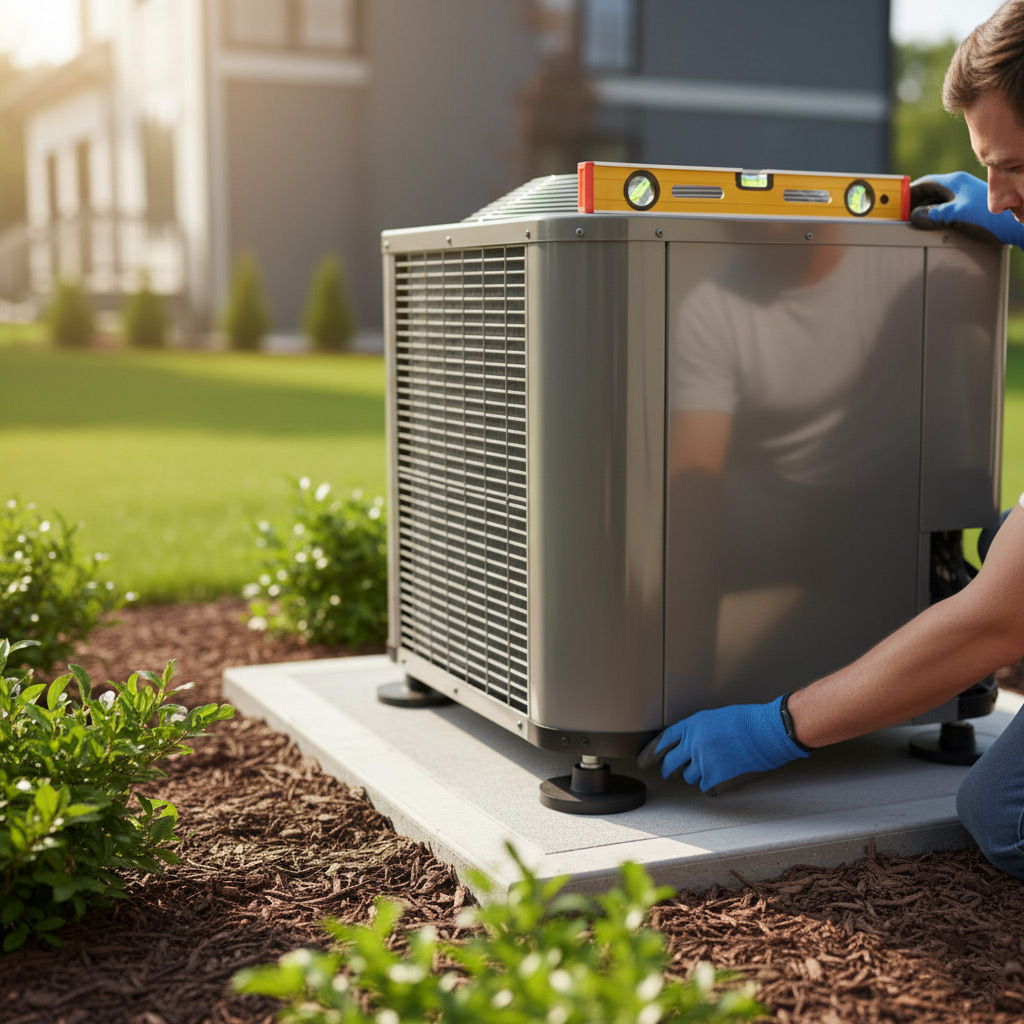
That moment when your heater sputters and you hear a clank that sounds like a metal band is about to start a concert—your first instinct is probably to grab a wrench and go to work.
Most homeowners in Jersey City think a quick DIY fix will save money, but the reality is a handful of rookie moves can turn a simple repair into a costly nightmare.
From ignoring the little warning signs to using the wrong parts, each misstep not only drains your wallet but can also put your family’s safety on the line.
Ready to dodge the common traps and keep your home warm without the surprise bill? Keep reading and discover the exact mistakes you must avoid.
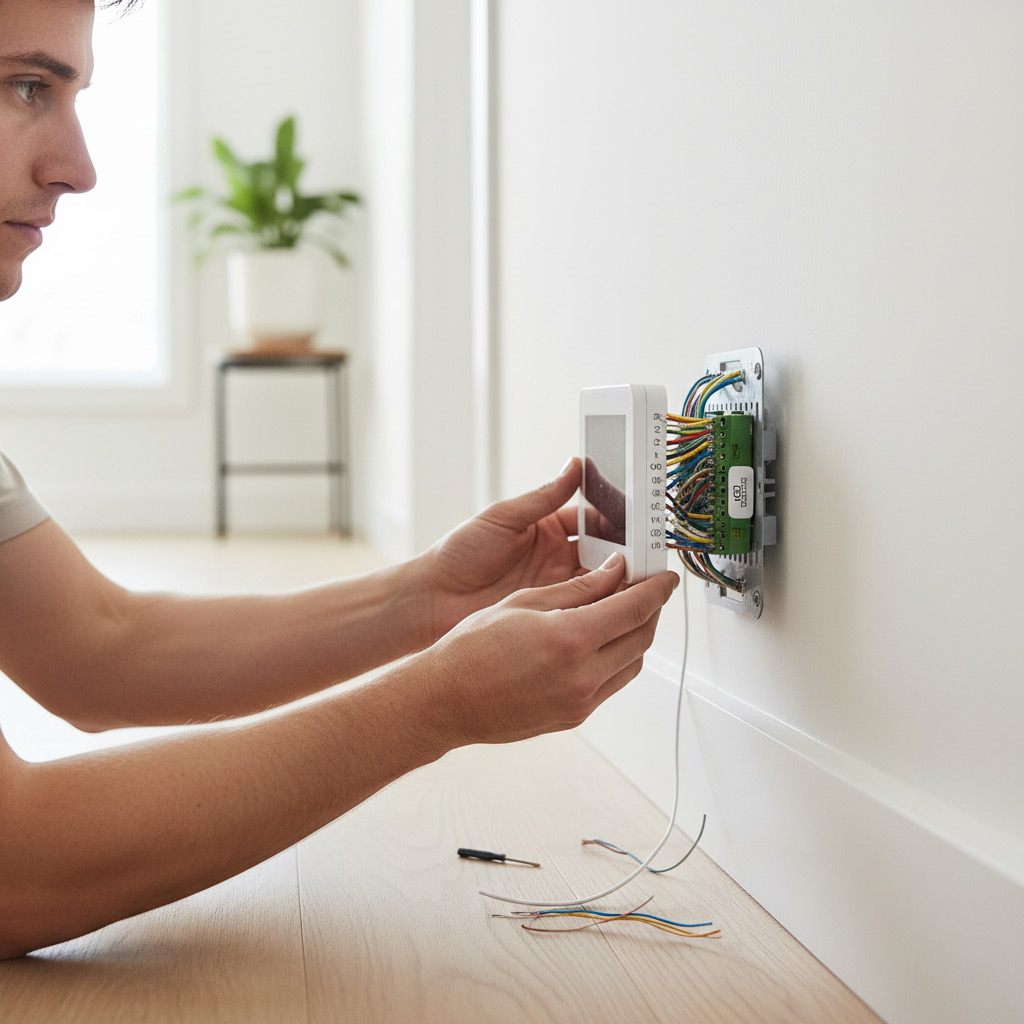
Recognizing Early Warning Signs Before a Major Failure
When your furnace starts coughing like a smoker on a cold night, it’s not just a nuisance—it’s a neon sign that something’s off. Ignoring the noise only guarantees a bigger, pricier problem down the line.
What to listen for
- Rattling or clanking when the blower kicks on.
- Flickering pilot light or inconsistent flame.
- Unusual odors—especially a sweet, rotten‑egg smell.
These clues are cheap to catch but expensive to ignore. Spot them early, and you’ll save yourself a frantic call to a repair tech and a mountain of repair bills.
Temperature swings that scream “check me”
If one room feels like a sauna while the next feels like a freezer, the thermostat or heat exchanger is probably out of sync. Don’t wait for the whole house to go cold before you act.
Quickly noting these patterns lets a professional pinpoint the issue before a cracked heat exchanger forces a full replacement. A little vigilance now keeps the heat on and the wallet happy.
The Dangers of DIY Repairs: When to Call a Professional
Grabbing a wrench might feel heroic, but heating systems are a maze of pressure, electricity, and gas. One wrong turn can turn a quick fix into a fire hazard or a costly gas leak. Leave the guesswork to the pros before you end up calling the fire department.
What You Can’t See
Even seasoned DIYers miss the hidden culprits that only a certified technician can spot.
- Cracked heat exchangers – invisible to the naked eye, but they spew carbon monoxide.
- Improper gas line connections – a tiny leak can fill a home with odorless danger.
- Electrical wiring that’s past its prime – a short circuit can fry the entire system.
When any of these show up, the only safe move is to call a licensed HVAC contractor. They have the tools, the training, and the liability coverage to handle the mess.
When to Hang Up the Toolbox
If you notice any of the following, stop the DIY and dial a professional.
- Strange odors, especially a rotten‑egg smell.
- Repeated short‑cycling or the heater won’t stay on more than a few minutes.
- Unusual noises like banging, squealing, or a high‑pitched whine.
These signs mean the system is crying out for expert attention. Ignoring them isn’t saving money; it’s setting yourself up for a $5,000 replacement down the line.
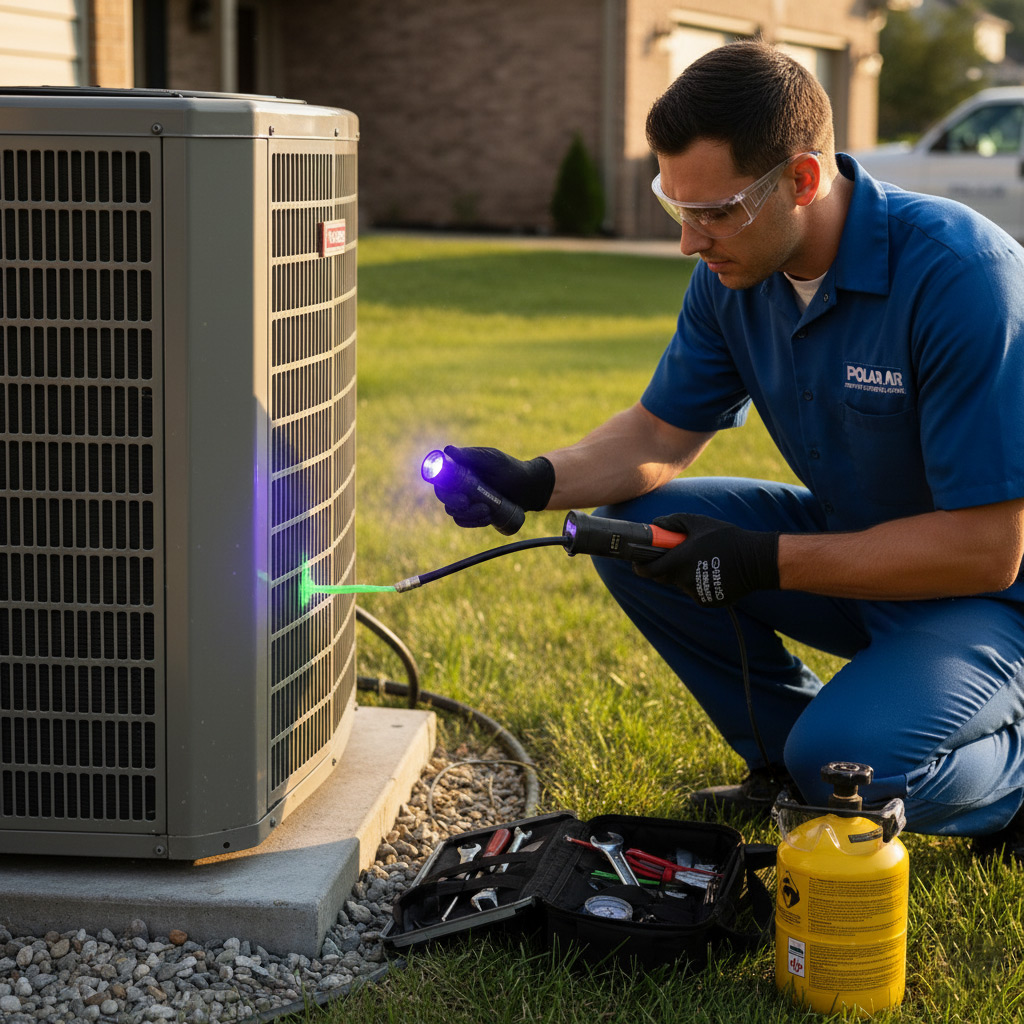
Using the Wrong Parts: Compatibility and Safety Risks
Grab a cheap replacement part off the shelf and you might think you’ve saved a buck. What you don’t realize is that most HVAC components are engineered to exact tolerances. Slip a mismatched valve or coil into your system and you’re inviting leaks, inefficiency, and a potential fire hazard.
Why the right part matters
Manufacturers test each piece with the rest of the unit. When you swap in a generic part, that testing disappears. The result? Your heater works harder, your bills climb, and the wear‑and‑tear accelerates.
- Incorrect pressure ratings can cause the heat exchanger to crack.
- Non‑compatible wiring may short out and trip your breaker.
- Wrong size filters reduce airflow, leading to overheating.
Even a small mismatch can trigger a cascade of problems. Call a certified Jersey City HVAC tech, let them source the exact OEM part, and you’ll keep the system humming without a surprise on the invoice.
Neglecting Regular Maintenance and Its Costly Consequences
Why Maintenance Matters
Skipping the annual check‑up is like ignoring a leaky roof until the ceiling collapses—your heater’s hidden wear turns into a full‑blown breakdown.
Small issues compound fast. A clogged filter can force the furnace to work 30% harder, spiking your energy bill and wearing out motor bearings.
- Higher utility costs – inefficiency adds up month after month.
- Reduced lifespan – a unit that should last 15 years may quit after 8.
- Unexpected repairs – emergency calls cost twice as much as scheduled service.
What a Pro Maintenance Visit Looks Like
A qualified Jersey City HVAC tech will inspect, clean, and test every critical component before the chill sets in.
Typical tasks include:
- Cleaning the heat exchanger and blower assembly.
- Checking gas pressure and ignition system for safe operation.
- Testing thermostat accuracy and calibrating settings.
- Verifying proper airflow and sealing any duct leaks.
Timing Is Everything
Schedule your service in early fall; the system is still warm, making diagnostics easier.
Delay until winter, and you’ll be paying for a rushed repair while the family shivers on the couch.
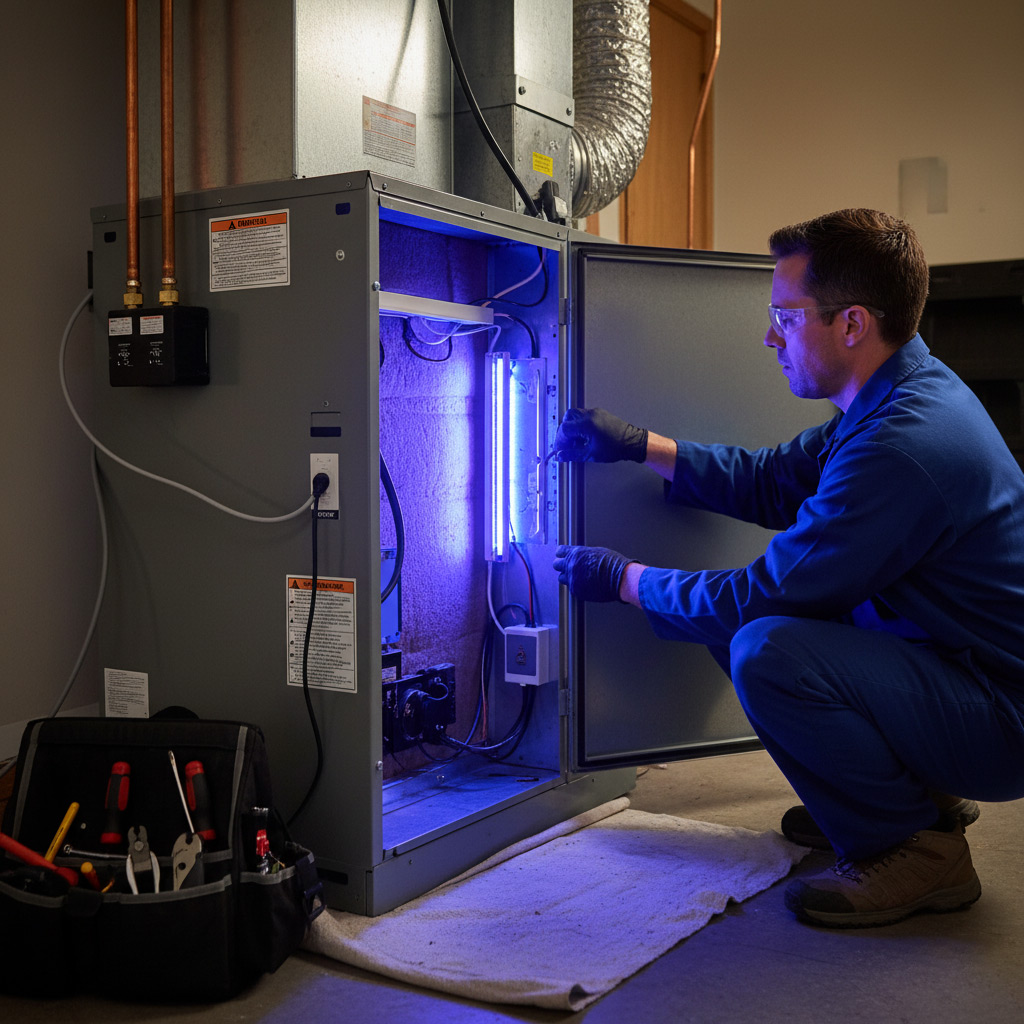
Overlooking Proper Ventilation and Carbon Monoxide Risks
Why Ventilation Matters
Even a brand‑new furnace can become a hazard if the exhaust gases have nowhere to go. Stagnant air means carbon monoxide builds up, and you’ll feel the chill before the alarm even sounds.
In Jersey City’s tight‑fit apartments, a blocked flue or a cracked vent can turn a cozy night into a health emergency.
- Back‑drafting – dangerous gases re‑enter the living space.
- Reduced furnace efficiency – you pay more for heat.
- Premature equipment wear – rust and corrosion set in fast.
Carbon Monoxide: The Silent Threat
CO is odorless, colorless, and deadly. A single faulty vent can push lethal levels into your bedroom while you’re asleep.
Install a CO detector on every level, especially near sleeping areas, and test it monthly. Replace batteries at least once a year – don’t wait for the beep.
Quick Checklist for Safe Ventilation
Before you fire up the heater, run through this short list:
- Inspect the vent pipe for cracks or rust.
- Make sure the termination cap is clear of debris.
- Verify the furnace’s draft inducer is running smoothly.
- Confirm the CO detector is functional and within its service date.
Follow these steps, and you’ll keep the air clean, the furnace humming, and your family safe.
Case Study: How a Missed Inspection Turned a Simple Fix into a $5,000 Replacement in Jersey City
The Homeowner’s Mistake
When the Johnson family noticed a faint whine from their furnace, they shrugged it off as “just getting older.” They skipped the annual inspection because the technician’s calendar was full.
Instead, they tried to tighten a loose belt themselves. The belt snapped, and the heat stopped dead.
The Domino Effect
Because the inspection never happened, a tiny crack in the heat exchanger went undetected. That crack allowed moisture to corrode the metal, weakening the unit’s core.
When the belt broke, the furnace’s safety switch shut down, and the hidden crack turned into a full‑blown leak. The repair shop told them the heat exchanger needed replacement—a part that costs over $4,000 plus labor.
What Went Wrong
Here’s the quick checklist of red flags the Johnsons ignored:
- Unusual noises – a high‑pitched whine or clank.
- Irregular cycling – the system turns on and off too quickly.
- Visible wear – cracked panels, rust, or water stains.
One missed inspection turned a $150 belt replacement into a $5,000 heat‑exchanger swap. The lesson? Regular check‑ups catch the tiny problems before they become big bills.
Final Words: Keep Your Heater Running Efficiently and Safely
Think of your furnace like a high‑performance car—you don’t wait for the check engine light to blaze before you get it serviced. Regular check‑ups keep the system humming, cut energy bills, and protect your family from hidden hazards.
Proactive Steps
Make these three habits part of your routine:
- Swap out the air filter every 30‑60 days during heating season.
- Schedule a professional inspection before the first frost hits Jersey City.
- Test carbon monoxide detectors monthly; replace batteries without fail.
Smart Scheduling
Don’t treat maintenance like a chore you’ll remember when the furnace quits. Set a calendar reminder for a Heating System Repair visit this month. A quick 90‑minute service can save you thousands down the road.
When you combine vigilant upkeep with a trusted HVAC partner, you’ll enjoy steady warmth, lower utility costs, and peace of mind—all without the surprise repair bill that keeps homeowners up at night.
People Also Ask
What are the early warning signs that my heating system needs repair?
Common signs include uneven heating, strange noises, frequent cycling, and a sudden increase in energy bills. Spotting these issues early can prevent a costly breakdown.Why should I avoid DIY heating repairs in Jersey City?
DIY fixes often ignore local building codes and can void warranties, leading to safety hazards like gas leaks. A licensed HVAC professional ensures the job meets safety standards and is done correctly.How can using the wrong replacement parts damage my heater?
Incompatible parts can cause system inefficiency, premature wear, and even fire hazards. Always source OEM or approved components to maintain safety and performance.What are the risks of neglecting regular heating system maintenance?
Skipping maintenance can reduce efficiency, increase utility costs, and cause unexpected failures that may require expensive replacements. Routine service extends the lifespan of your system and saves money.How does poor ventilation affect carbon monoxide safety?
Improper ventilation can allow carbon monoxide to build up, posing serious health risks. Ensure vents are clear and have a functioning CO detector installed.
Jersey City HVAC brings over 15 years of residential and commercial climate‑control expertise to the Jersey City community. Their certified technicians specialize in efficient heating, cooling, and indoor‑air‑quality solutions tailored to local homes and businesses. Committed to responsive service, they prioritize comfort and energy efficiency for every client.
Need HVAC?
We deliver fast, reliable solutions for residents and businesses in Jersey City (07302, 07304, 07305, 07306, 07307) and nearby neighborhoods. Our rapid response ensures you get results when you need them.
Request a fast quote