When the Jersey City summer hits 95°, the last thing you want is an AC that sounds like a dying cat and blows warm air like a busted toaster.
What most homeowners don’t realize is that the people who keep their units humming all season aren’t HVAC gurus—they’re neighbors who’ve learned a handful of shortcuts that actually work.
From spotting a failing capacitor before it fries your whole system to cleaning the coil the right way (no more “spray‑and‑run” nonsense), these tricks save time, money, and a lot of sweaty evenings.
Stick around and we’ll spill the exact steps that keep the cool flowing without draining your wallet.
Understanding the Most Common AC Problems in Jersey City Summers
Jersey City summers crank the mercury up to 95°F, and the humidity can feel like a wet blanket on your skin. When the heat hits, your AC is the first line of defense, but it also becomes the most vulnerable. Typical failures show up fast: frozen coils, weak airflow, and that dreaded “blowing warm air” symptom.
What’s really going on behind the noise?
- Clogged air filter – restricts airflow, forces the motor to work harder, and can freeze the evaporator coil.
- Low refrigerant – a leak or undercharge makes the compressor overheat and the unit lose cooling power.
- Failing capacitor – the heart‑beat of the fan and compressor; when it weakens, you hear rattling and see reduced airflow.
- Dirty condenser coils – heat can’t escape, so the system runs hotter and less efficiently.
Spotting these issues early saves you from a full‑blown breakdown. Check the filter every month, listen for odd humming, and feel the vent for a drop in temperature. If anything feels off, it’s time to call a pro before the next heat wave hits.
Spotting and Replacing a Failing Capacitor Before It Drains Your System
What a Capacitor Actually Does
Think of the capacitor as the AC’s starter pistol – it gives the compressor and fan motor that extra jolt they need to fire up.
If the pistol misfires, you’ll hear a loud click, feel a sluggish start, or see the unit run but never reach the set temperature.
- Humming without cooling
- Intermittent shut‑offs
- Burnt smell near the outdoor unit
Testing the Capacitor
First, turn off power at the breaker – safety isn’t optional.
Grab a multimeter, set it to “capacitance,” and touch the probes to the capacitor’s terminals.
- If the reading is off by more than 10% of the rating on the label, it’s time for a new one.
- Visible bulges or leaks = replace immediately.
Swap It Out Like a Pro
Discharge the old capacitor by shorting its leads with an insulated screwdriver – a quick spark is normal.
Unscrew the mounting bracket, note the wiring diagram (a photo helps), and attach the new capacitor exactly the same way.
- Use a rated 125 µF or whatever the label calls for.
- Secure the bracket, restore power, and listen for that clean start‑up sound.
The Right Way to Clean Coils: Ditching the “Spray‑and‑Run” Myth
Why the Quick Spray Fails
Most DIYers grab a hose, spray the coil, and call it a day. That spray just pushes grime deeper into the fins. The result? Restricted airflow, higher bills, and a unit that works harder than a marathon runner.
Step‑by‑Step Coil Cleaning
Grab a soft brush, a garden sprayer, and a coil‑cleaning solution made for HVAC. Follow these moves:
- Turn off power. Safety first—no surprises.
- Remove the access panel; set it aside.
- Brush off loose debris with a soft‑bristle brush. One gentle sweep per fin.
- Mix the cleaner per label instructions. Too strong? You’ll corrode the metal.
- Apply the solution with a low‑pressure sprayer. Let it sit 5‑10 minutes; watch the foam work.
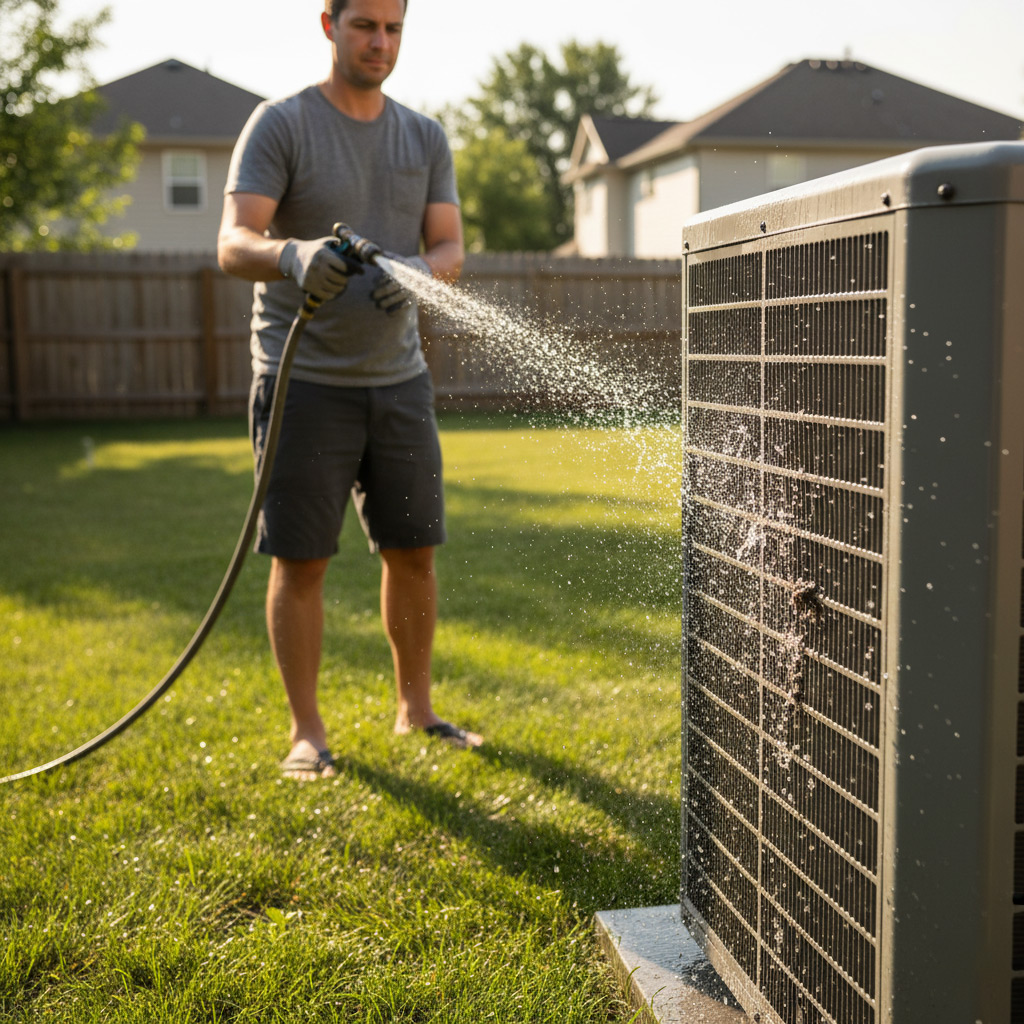
- Rinse with a gentle stream, not a fire‑hose. Aim at a 45‑degree angle to avoid bending fins.
- Dry the coil with a clean rag or let it air‑dry before reassembly.
When you finish, you’ll hear the fan breathe easier. The unit runs cooler, and your wallet thanks you. No more “spray‑and‑run” shortcuts—just solid, repeatable results.
Checking Refrigerant Levels and Fixing Leaks for Optimal Performance
Why Refrigerant Levels Matter
Refrigerant is the lifeblood of any AC unit – too little and you’ll feel the heat, too much and the compressor can overheat. Jersey City homes that sit in humid air are especially vulnerable to low charge problems, which show up as weak airflow or ice on the coils.
How to Test the Charge
Grab a manifold gauge set and follow these three quick steps:
- Connect the low‑side hose to the suction port and the high‑side hose to the discharge port.
- Turn the thermostat to “cool” and let the unit run for five minutes.
- Read the pressure; compare it to the manufacturer’s chart for your outdoor temperature.
If the numbers are off, you’ve got a leak or an under‑charged system. Don’t guess – a proper reading tells you exactly where to start.
Finding and Fixing Leaks
Most leaks are tiny, but they can drain a system fast. Start with a visual inspection: look for oily spots around fittings, the evaporator coil, and the service valves.
For a more precise hunt, use an electronic leak detector or a soap‑bubble solution. When bubbles form, you’ve found the culprit.
Once located, tighten the connection or replace the faulty component. Never refill refrigerant yourself unless you’re licensed; a certified tech will evacuate the line, repair the leak, and recharge to the exact spec – saving you headaches and a busted warranty.
DIY Seasonal Maintenance Checklist Every Jersey City Homeowner Should Follow
Keeping your AC in shape is cheaper than calling a tech every month. Follow this simple routine and you’ll dodge the most common breakdowns that plague Jersey City homes.
Pre‑Season Sweep
Before the heat hits, give your unit a quick once‑over. A clean system runs smoother and uses less power.
- Turn off power at the breaker. Safety first.
- Remove debris from the outdoor condenser. Leaves, twigs, and trash block airflow.
- Vacuum the fins with a soft brush. Don’t bend them.
- Check the thermostat batteries. Fresh cells = accurate readings.
Mid‑Season Check‑In
When the mercury climbs, a brief inspection can catch problems before they snowball.
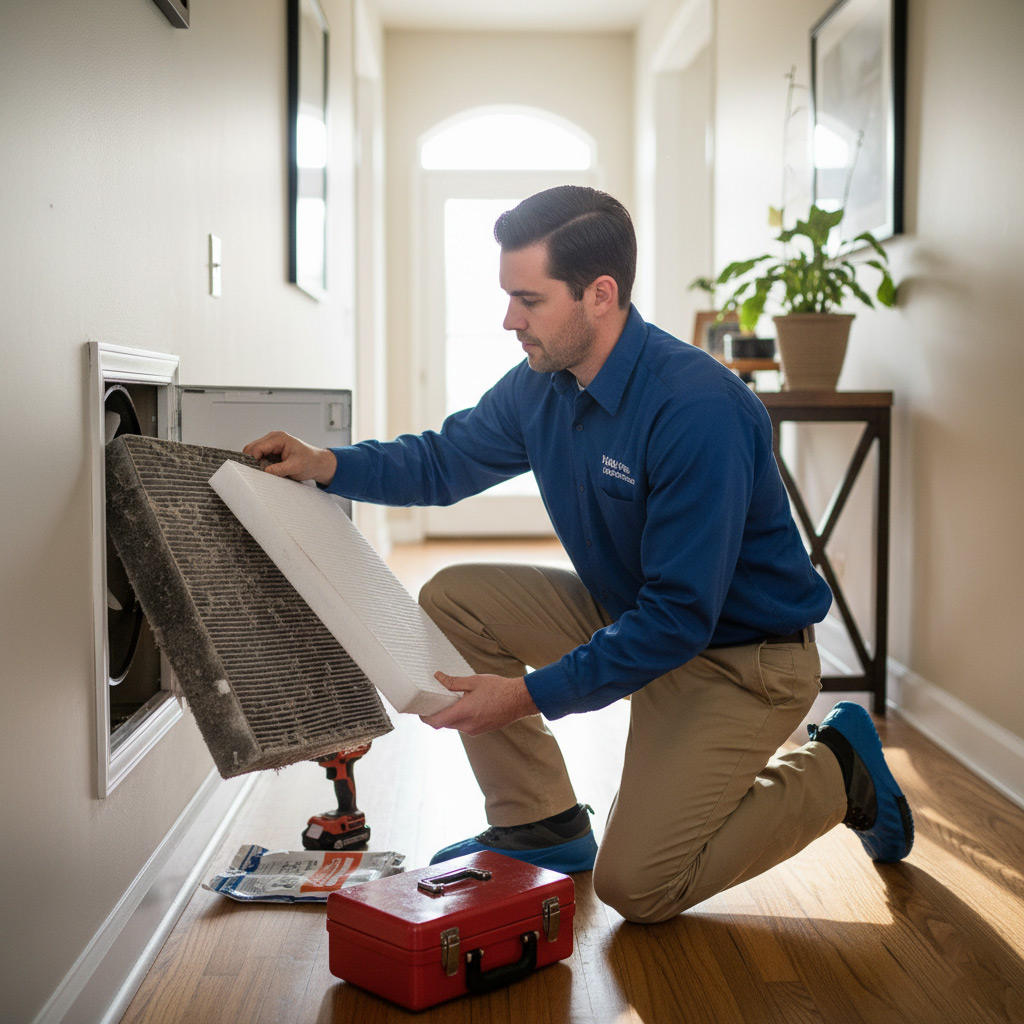
- Inspect the air filter. Replace if it looks darker than a coffee mug.
- Listen for odd noises. Rattles or squeals often mean a loose belt or motor issue.
- Run the fan for five minutes. Feel the airflow at each vent; weak spots signal duct leaks.
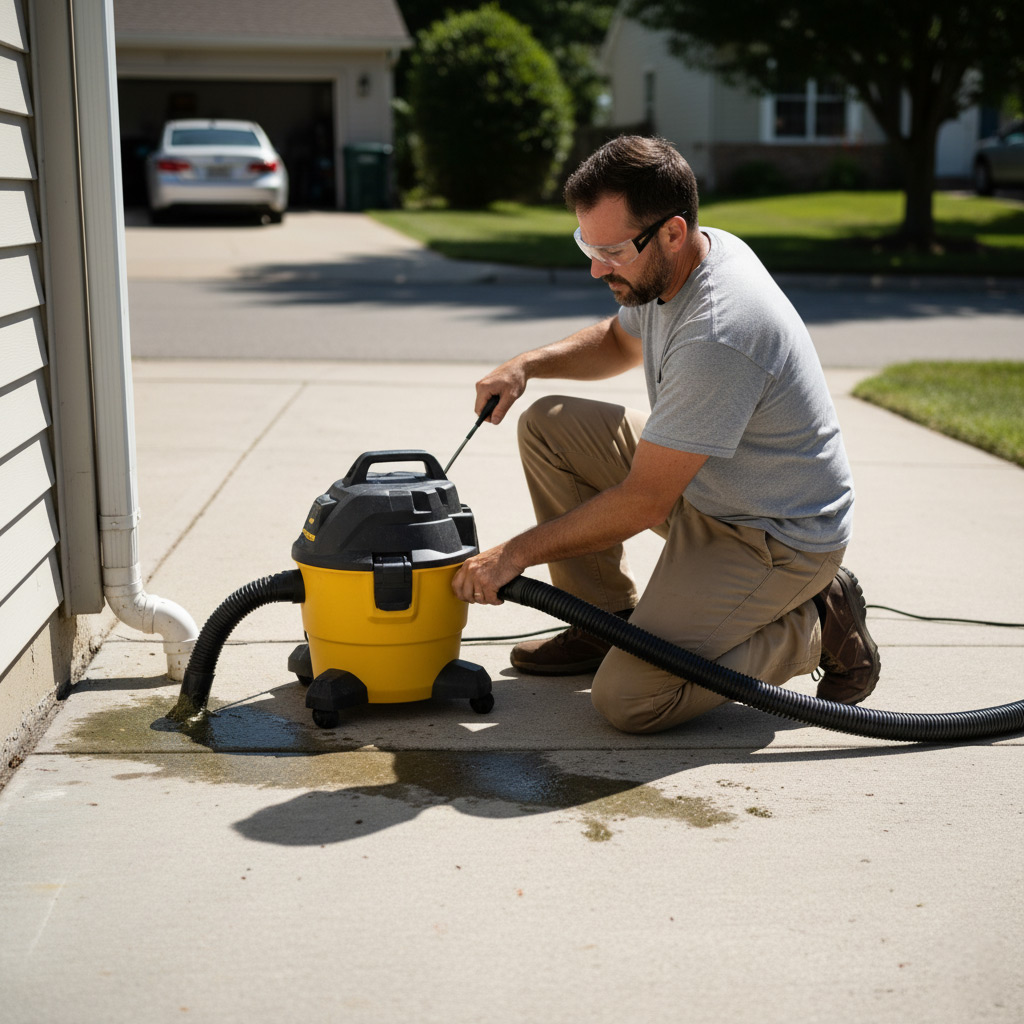
- Verify the condensate drain isn’t clogged. A slow drip can cause water damage.
End‑of‑Season Wrap‑Up
When the summer fades, a little care now saves you a call later. Store your unit in good shape for next year.
- Shut off the breaker and cover the outdoor unit with a breathable tarp.
- Spray the coils with a garden hose (no pressure washer). Let them dry.
- Lubricate motor bearings if they have oil ports. A few drops go a long way.
- Schedule a professional tune‑up for early spring. It’s the cheapest insurance policy.
Case Study: Reviving a Downtown Jersey City AC Unit with Simple, Cost‑Effective Fixes
The Situation
A small boutique on Washington Street was sweating through a July heatwave. The unit was older, humming loudly, and barely kept the showroom under 78°F.
Owner Mike called us after the thermostat refused to stay below 82°F. A quick walk‑through revealed three red flags:
- Clogged evaporator coil – dust thick as flour.
- Leaky refrigerant line – a hiss that could be heard from the basement.
- Worn‑out start capacitor – the motor struggled to kick in.
The Fixes
We tackled each problem with a “fix‑first, spend‑later” mindset. First, we gave the coil a proper hand‑wash, letting the water drain naturally instead of blasting it with chemicals.
Next, we used a UV leak detector to pinpoint the refrigerant breach. A simple solder‑and‑seal job stopped the loss, and we topped the system back up to the manufacturer’s spec.
Finally, we swapped the capacitor for a new, high‑efficiency model. The motor now starts on the first try, and the whole system runs smoother than a jazz sax solo.
Results
Within 48 hours, the boutique’s temperature stabilized at 74°F, and the energy bill dropped by roughly 18%.
Mike told us the customers noticed the difference immediately – “It feels like we finally have a real AC again.”
Final Words
Keep the thermostat set at a comfortable 74°F and let the unit do its job. Don’t wait until the next heat wave to notice a problem—regular check‑ups are the cheapest insurance you’ll ever buy.
When to Call the Pros
- Strange noises that sound like a rattling toolbox.
- Air that’s warm on the hottest days, even after a fresh filter.
- Frequent cycling on and off—your compressor is begging for help.
If any of those red flags pop up, pick up the phone. A certified Jersey City technician can diagnose a failing capacitor, a refrigerant leak, or a clogged drain line before the bill balloons.
Need a deeper dive? Our Air Conditioning Repair suite covers everything from drain cleaning leak detection. One call, and you’ll have a local expert on standby, ready to keep your home cool without breaking the bank.
People Also Ask
What are the most common AC problems in Jersey City during summer?
The hottest months often reveal refrigerant leaks, clogged coils, and failing capacitors. These issues cause reduced cooling efficiency and higher energy bills.How can I tell if my AC capacitor is failing before it causes a system shutdown?
A humming sound, frequent cycling, or the unit not turning on are typical signs of a weak capacitor. Testing with a multimeter can confirm low capacitance before a full failure.Why is the “spray‑and‑run” method for cleaning coils ineffective?
Spraying water without proper pressure leaves residue and can push debris deeper into the coil fins. A gentle brush and low‑pressure rinse remove buildup without damaging the coils.What’s the best way to check refrigerant levels and locate leaks?
A certified technician uses gauges to measure pressure and a UV dye or electronic leak detector to pinpoint leaks. Prompt repair prevents long‑term damage and restores optimal performance.Can I perform seasonal AC maintenance myself, and what should I include?
Yes, homeowners can clean or replace filters, clear the condensate drain, and inspect the thermostat. For deeper tasks like coil cleaning or refrigerant checks, hiring a professional ensures safety and compliance.
Jersey City HVAC brings over 15 years of certified expertise to homes and businesses throughout Jersey City, NJ. Their team combines advanced training with a deep understanding of the local climate to deliver reliable heating, cooling, and ventilation solutions. Committed to responsive service, they prioritize energy efficiency and comfort for the community they serve.
Need HVAC?
We deliver fast, reliable solutions for residents and businesses in Jersey City (07302, 07304, 07305, 07306, 07307) and nearby neighborhoods. Our rapid response ensures you get results when you need them.
Request a fast quote